


Pigmentation: Causes, Types, Treatments & Prevention
Pigmentation: a complete guide to uneven skin tone and dark spots
Pigmentation is one of the most common skin concerns we see at Chloe Regan Cosmetic Clinic. It may appear as freckles, sunspots, patchy brown areas, darker marks after acne, or a general mottled and uneven complexion. Although these concerns can look similar, they do not always have the same cause or respond to the same treatment.
The most effective approach begins with understanding what type of pigment is present, how deeply it sits in the skin, what may be triggering it and whether the skin is likely to react to treatment. This guide explains the main causes and types of pigmentation, the treatment options available at our Noosa clinic, and the steps that can help protect and maintain a more even-looking complexion.
Pigmentation treatment is not a one-size-fits-all process. Some superficial sunspots may respond well to light- or laser-based treatment, while melasma and post-inflammatory hyperpigmentation often need a gentler, longer-term plan that combines professional treatment, home care and strict sun protection. A personalised consultation is therefore an important first step.
What is pigmentation?

Pigmentation refers to the colour of the skin. This colour is largely influenced by melanin, a natural pigment produced by specialised cells called melanocytes. Melanin plays a protective role by helping the skin respond to ultraviolet radiation. When melanin production becomes uneven or excessive in particular areas, visible patches, spots or discolouration can develop.
Hyperpigmentation is the term used when an area becomes darker than the surrounding skin, while hypopigmentation describes areas that have less pigment. This page focuses mainly on hyperpigmentation, including sunspots, freckles, melasma and post-inflammatory marks.
Pigment may sit closer to the surface in the epidermis or deeper in the dermis. The depth of the pigment is one of the most important factors in determining the most appropriate treatment. Superficial pigment is often more clearly defined and may respond more quickly, while deeper or mixed pigment can appear grey-brown, be more persistent and require careful management. This is one reason why the same treatment can work well for one person but be unsuitable for another.
What causes pigmentation?
☀️ Sun exposure and ultraviolet damage
Ultraviolet exposure is a major driver of uneven pigmentation. The skin produces more melanin as a defence response, and repeated exposure can lead to freckles, solar lentigines, mottled colour and broader signs of photoageing. Pigmentation commonly develops on the face, neck, décolletage, shoulders, arms and backs of the hands because these areas receive frequent incidental sun exposure.
♀️ Hormonal influences and melasma
Hormonal changes can stimulate melanin production and contribute to melasma. Pregnancy, hormonal contraception and other hormonal changes may be associated with symmetrical brown or grey-brown patches, commonly across the cheeks, forehead, upper lip and jawline. Heat, visible light and ultraviolet exposure can all aggravate melasma, which is why ongoing management is usually more realistic than promising a permanent cure.
😷 Inflammation, acne and skin injury
Post-inflammatory hyperpigmentation can develop after acne, dermatitis, picking, burns, friction, cuts or cosmetic procedures. Inflammation activates pigment production as the skin heals, leaving a flat brown, red-brown or grey mark after the original problem has settled. Darker skin tones may be more prone to this response, and overly aggressive treatment can worsen it.
👵 Ageing and accumulated sun exposure
Age spots are not caused by age alone. They usually reflect years of cumulative ultraviolet exposure. As skin cell turnover slows and sun damage accumulates, pigmentation can become more noticeable and may occur alongside roughness, fine lines, enlarged pores and loss of luminosity.
🧬 Genetics and natural skin characteristics
Freckles and the tendency to develop pigmentation can run in families. Skin tone, melanocyte activity and individual inflammatory responses all influence how readily pigment forms and how long it remains visible.
🔥 Heat, medications and other triggers
Heat can worsen melasma in some people, even without direct sun exposure. Certain medications and medical conditions may also contribute to pigmentation. New, rapidly changing, irregular, bleeding or symptomatic pigmented lesions should be assessed by a medical practitioner before cosmetic treatment is considered.
Common types of facial pigmentation
Freckles
Freckles are small, flat spots that often become darker with sun exposure and lighter when ultraviolet exposure decreases. They are strongly influenced by genetics and are common in fair skin, although they can occur in many skin tones. Treatment can reduce their appearance, but new freckles may form if the skin continues to receive ultraviolet exposure.

Sunspots and age spots
Sunspots, also called solar lentigines, are flat tan, brown or dark brown spots caused by cumulative sun exposure. They are usually more persistent than freckles and commonly appear on the face, décolletage and hands. Selected sunspots may respond to Pico laser toning, BBR/IPL, chemical peels or resurfacing, depending on their depth and the surrounding skin.

Melasma
Melasma usually appears as larger, symmetrical patches rather than isolated spots. It is often chronic and influenced by hormones, ultraviolet exposure, visible light and heat. Because excessive inflammation may make melasma darker, treatment must be selected carefully. Cosmelan or Dermamelan programs, pigment-regulating skincare and diligent photoprotection may form the foundation, while energy-based treatments are only considered where clinically appropriate.

Post-inflammatory hyperpigmentation
Post-inflammatory hyperpigmentation, often shortened to PIH, appears after inflammation or trauma. Acne marks are a common example. The original breakout may have healed, yet a flat brown or grey mark remains. Treatment focuses on controlling the source of inflammation, supporting the skin barrier and gradually reducing excess pigment without provoking further irritation.

Uneven skin tone and diffuse sun damage
Not all pigmentation appears as distinct spots. Some people notice a blotchy, dull or mottled complexion, often combined with redness and textural changes. This pattern may reflect a mixture of sun damage, vascular change and altered skin renewal. Combination treatment can be particularly helpful when more than one concern is present.

Pigmentation on the neck, décolletage and hands
The face receives the most attention, but pigmentation often extends to the neck, chest and hands. These areas can require different settings and aftercare because the skin may be thinner or heal differently. A full assessment helps create a plan that treats the visible pattern rather than focusing on the face alone.

How we assess pigmentation at Chloe Regan Cosmetic Clinic
A pigmentation consultation considers the colour, distribution, likely depth and triggers of the concern, together with your skin type, medical history, current skincare, previous treatments, lifestyle and tolerance for downtime. We also discuss whether the aim is to soften a few isolated spots, improve overall clarity, manage melasma or address several signs of sun damage at once.
Where appropriate, VISIA skin analysis can help examine pigmentation and other skin features beyond what is immediately visible under normal lighting. It provides useful baseline images for education, treatment planning and progress tracking. It does not replace medical diagnosis, and suspicious lesions are referred for medical assessment.
The result of this assessment may be a single treatment, a staged treatment program or a combination of in-clinic care and home products. We favour realistic outcomes and long-term skin management rather than promising that every pigment concern can be completely or permanently removed.


🏆 Awards & Achievements 🏆
Chloe and her team of highly skilled Dermal and Skin Therapists have been recognised nationally for their outstanding results. With multiple prestigious awards across Australia, you can feel confident knowing you’re in expert hands at Chloe Regan Cosmetic Clinic.
🏆 Winner - Best Dermal Therapist of the Year Australia & NZ - ABIA Awards 2025
🏆 Winner - Best Skin Transformation, Australia - ABACTA Awards 2022
🏆 2nd Place - Beauty Queen, Australia - ABACTA Awards 2021
🏆 Winner - Best Face Results, Australia - Face & Body Awards 2019
Pigmentation treatment options at Chloe Regan Cosmetic Clinic
The most suitable treatment depends on the type and depth of pigment, the presence of melasma or inflammation, your skin tone, the condition of the skin barrier and the amount of downtime you can accommodate. In some cases, a combination of treatments may be recommended as part of a personalised treatment plan. Not every treatment is suitable for every type of pigmentation or every person.
Pico Laser Toning

Skin Pico Laser Toning uses the SKN Pico Premium™ laser to deliver ultra-short picosecond pulses that target unwanted pigment with less reliance on prolonged heat. The energy breaks selected pigment into much smaller particles so the body can gradually clear them through its natural processes. At Chloe Regan Cosmetic Clinic, the treatment is used for concerns including sun damage, freckles, uneven skin tone and selected pigmentation presentations.
Skin Pico Laser Toning may be performed as a full-face toning treatment or as a more targeted Skin Pico Spot Treatment, depending on the pattern and extent of pigment. Most clients experience only mild short-term redness, although treated pigment can temporarily darken before it fades. Melasma is complex and highly individual: Pico may be appropriate for some clients, but only after careful assessment and, where needed, as part of a broader plan that includes home care and trigger management.
Learn more about Skin Pico Laser Toning, suitability, preparation and expected recovery.
CO2 Fractional Laser Resurfacing
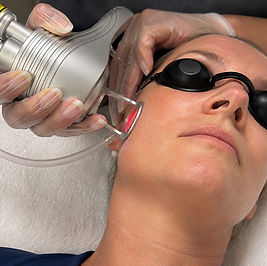
CO2 Fractional Laser is an advanced resurfacing treatment performed with the SKN Peel CO2 Fractional Laser. It creates thousands of precise microscopic treatment zones, stimulating the skin’s natural healing response and supporting new collagen and elastin while surrounding untreated tissue assists recovery. It may be considered when sun damage and uneven tone occur alongside rough texture, enlarged pores, fine lines, wrinkles or scarring.
This is not a general pigment-removal treatment for every brown mark. It is a more intensive resurfacing option for appropriately selected skin, particularly where the goal is broader improvement in photodamage and skin texture. Chloe Regan Cosmetic Clinic offers three customised treatment levels—Soft Refresh, Renew and Restore—with expected downtime ranging from approximately 2–5 days to 7–10 days. Suitability depends on skin type, medical history, medications, pigment behaviour and tolerance for downtime.
Read more about CO2 Fractional Laser resurfacing, treatment levels, preparation and recovery.

BBR/IPL Skin Rejuvenation
BBR/IPL Skin Rejuvenation uses carefully selected pulses of broad-spectrum light that are absorbed by pigment and vascular colour within the skin. For suitable clients, it may help improve freckles, brown spots, age spots, superficial sun damage, redness and visible vessels. Treated pigment commonly darkens temporarily before it flakes or gradually fades.
BBR/IPL can be especially useful when pigmentation appears as part of a generally sun-damaged, uneven or red complexion. It is also incorporated into the clinic’s Flawless Complexions facial. Because light-based treatments are not suitable for every skin tone or every pigment condition, consultation, recent sun-exposure screening and patch testing are important parts of the process.
Cosmelan depigmentation programs
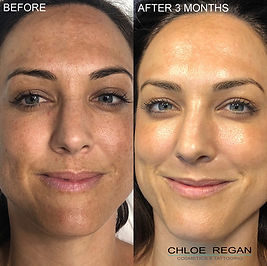
Cosmelan is a structured professional depigmentation program designed to address excess melanin and help brighten and unify uneven skin tone. It works across several stages of the melanogenesis process and begins with an in-clinic mask, followed by a prescribed home-care phase. It may be considered for concerns such as melasma, sun-related pigmentation and post-inflammatory marks where a longer-term pigment-regulating approach is appropriate.
The success of the program depends heavily on following the home-care instructions and protecting the skin from light and heat triggers. Progressive flaking, redness, dryness and sensitivity can occur. Rather than presenting Cosmelan as a one-off peel, the pigmentation guide positions it accurately as an ongoing corrective and maintenance program that requires commitment and review.
Result-driven chemical peels

The clinic’s Result Driven Peels are customised according to skin type, skin condition and treatment goals. A peel treatment includes professional cleansing, a selected medical-grade peel, LED healing light, customised serums and professional finishing products. Depending on the formulation and depth chosen, peels may support brighter tone, smoother texture and improvement in selected pigmentation irregularities.
Peels should not be treated as interchangeable. Superficial options may suit mild dullness and uneven tone, while stronger formulations such as TCA or Jessner may be considered for more established sun damage, pigmentation and texture concerns. Stronger peels require appropriate preparation and can involve visible peeling and downtime, so the safest option is selected during consultation.

SkinPen microneedling
SkinPen microneedling creates controlled microchannels that activate a natural wound-healing response and support collagen and elastin production. The clinic uses customised SkinPen protocols for concerns including acne scarring, fine lines, enlarged pores, sun damage, uneven tone, pigmentation and dull or crepey skin.
Although SkinPen may improve the appearance of uneven tone and post-inflammatory marks, it does not target melanin in the same direct way as Pico laser or BBR/IPL. Its greatest value within a pigmentation plan is often improving overall skin quality, supporting renewal and addressing texture or scarring at the same time. Treatment depth, technique and aftercare are carefully tailored because unnecessary inflammation can worsen pigment in susceptible skin.
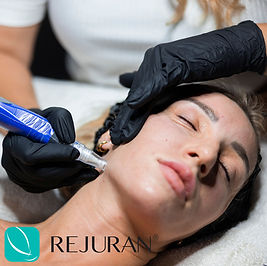
Rejuran skin booster with SkinPen infusion
Rejuran is a salmon-DNA-derived skin booster used at the clinic with SkinPen infusion to support skin repair, hydration, elasticity, texture and radiance. It may be included when pigmentation is accompanied by dullness, dehydration or reduced skin quality, but it should not be described as a primary pigment-removal procedure.
Within a broader pigmentation plan, Rejuran can support healthier-looking, more resilient skin while other treatments address the pigment itself. The clinic’s Rejuran treatment may also include LED therapy and professional aftercare support. The selected formulation and treatment schedule depend on the client’s skin concerns and goals.

Flawless Complexion Facial and customised facials
Flawless Complexions is the clinic’s bespoke facial option specifically positioned for pigmentation and uneven skin tone. It incorporates BBR/IPL to target suitable freckles, sunspots and age spots while also addressing redness and vascular concerns. Medical-grade LED is included to support recovery and the overall treatment experience.
Other customised facials may use professional cleansing, exfoliation, hydration, LED and selected Crave Skin products to support brightness, barrier health and a more refreshed complexion. Facials are valuable for skin maintenance and for clients who are not ready or suitable for more intensive procedures, although established pigment may need a dedicated corrective program.

Home care is a central part of long-term pigmentation management. At Chloe Regan Cosmetic Clinic, recommendations are built around the clinic’s Crave Skin range and are selected according to the client’s pigment type, sensitivity, treatment plan and skin-barrier condition. Depending on assessment, a routine may include Crave Skin Eleven C, Multi-B and other targeted Crave Skin formulations chosen to support antioxidant protection, brightness, hydration and recovery.
Daily broad-spectrum SPF 50+ remains essential, even when corrective products are used. More active ingredients do not necessarily produce better results: over-exfoliation or irritation can worsen pigmentation. Crave Skin products should therefore be introduced in a planned sequence and adjusted before and after Pico, CO2, BBR/IPL, peels, Cosmelan or SkinPen treatments. The clinic will provide personalised instructions rather than recommending the same routine to every client.
Preventing pigmentation and maintaining results
Daily sun protection
Daily broad-spectrum SPF 50+ is one of the most important parts of any pigment plan. Apply a generous, even layer every morning and reapply when outdoors, after swimming or sweating, and according to the product directions. Hats, sunglasses, shade and protective clothing reduce the amount of ultraviolet exposure reaching the skin. Tinted sunscreen containing iron oxides may be useful for people managing melasma because visible light can also be a trigger.
Avoid picking and unnecessary inflammation
Picking acne, scratching irritated skin and using harsh home remedies can prolong inflammation and increase the chance of a dark mark. Treat breakouts early, protect the skin barrier and avoid scrubs or strong acids when the skin is already inflamed.
Prepare and recover properly
Some procedures require a preparation period with prescribed skincare. After treatment, follow instructions regarding cleansing, moisturising, sun avoidance, exercise, heat, swimming and active products. Good aftercare can reduce complications and protect the result.
Plan for maintenance
Pigmentation can return because the underlying triggers remain. Freckles and sunspots may reappear with ultraviolet exposure, while melasma can fluctuate with hormones, heat and light. Maintenance may involve sunscreen, pigment-regulating products, periodic professional treatment and progress reviews. The goal is controlled, healthier-looking skin over time rather than an unrealistic promise of permanent perfection.
Pigmentation myths and facts
Myth: one treatment permanently removes all pigmentation
Fact: different pigment types respond differently, and recurrence is possible. Treatment reduces visible pigment; it cannot remove future exposure, hormones or every biological trigger.
Myth: stronger treatment always gives a better result
Fact: excessive heat or inflammation can worsen melasma and post-inflammatory pigmentation. A conservative, staged plan is often safer and more effective.
Myth: lemon juice and harsh DIY remedies fade dark spots safely
Fact: acidic or irritating home remedies can damage the skin barrier, cause burns and leave darker marks. Use professionally recommended products instead.
Myth: all brown spots are cosmetic pigmentation
Fact: some lesions require medical assessment. Any new, changing, irregular, bleeding, crusting, itchy or painful spot should be checked by a medical practitioner.
Frequently Asked Questions
📅 Book a complimentary pigmentation consultation in Noosa
Pigmentation can be complex, but you do not need to choose a treatment on your own. At Chloe Regan Cosmetic Clinic in Noosaville, our team will assess your skin, discuss your concerns and explain which options are most appropriate for your pigment type, skin tone, lifestyle and preferred downtime.
Your plan may involve Pico laser toning, CO2 fractional laser, BBR/IPL, Cosmelan, a chemical peel, SkinPen microneedling, Rejuran skin booster, a customised facial, home skincare or a carefully staged combination. Where a lesion needs medical review, we will recommend that this occurs before cosmetic treatment.
Book your complimentary consultation and take the first step towards a clearer, more even-looking complexion.
Book Your Consultation Today
If you have any questions or would like to book your appointment please call the clinic on 0410924564 or fill out the form and we will get back to you ASAP, or book your own appointment online.
Location
Chloe Regan Cosmetic Clinic
Shop CA01 Noosa Civic
28 Eenie Creek Rd
Noosaville, Sunshine Coast QLD 4566